
Saudi Arabia’s new energy vehicle certification standards, safety, emission standards and performance requirements, which certification standard is used?
From what I understand, Saudi Arabia has not yet established specific national standards for new energy vehicle certification. However, Saudi Arabia often refers to international standards and technical specifications, especially those with other countries or regions with which it has trading relationships.
In terms of safety, Saudi Arabia may refer to the safety standards of countries such as Europe and the United States, such as Europe's ECE R94 and the United States' FMVSS (Federal Motor Vehicle Safety Standards). These standards cover requirements for vehicle structure, crash safety, braking systems, airbags, lights, etc.
In terms of emission standards, Saudi Arabia may refer to Europe's European Emission Standards (Euro) and the United States' Environmental Protection Agency (EPA) emission standards. These standards stipulate vehicle exhaust emission limits to ensure the environmental performance of new energy vehicles.
As for performance requirements, this may vary depending on vehicle type and purpose. Saudi Arabia may refer to international standards and technical specifications, such as vehicle power performance, battery range, charging time and other requirements.
Please note that specific certification standards may change over time, so it is recommended that you contact Saudi Arabia's automotive certification authority or relevant authorities directly to learn about the latest certification requirements and adopted standards. You are also welcome to contact us.
Saudi Arabia is on the road to adopting electric vehicles (EVs). Saudi Arabia’s current electric vehicle framework is in its early stages and has not yet developed into a comprehensive framework. Saudi Arabia’s recent EV initiatives are in line with the overall goals of Saudi Vision 2030, which aims to diversify the kingdom’s economy away from oil.
Saudi Arabia’s transport sector consumes nearly a quarter of its total energy consumption. Energy consumption is expected to grow, especially after the country's recent decision to allow women to drive, which will come into effect in June 2018.
In an effort to reduce its dependence on oil, Saudi Arabia is looking to deploy electric vehicles in the country as an initiative to improve the energy efficiency of its transportation sector.
1. What electric vehicles have been deployed in your jurisdiction to date?
Saudi Arabia is not deploying electric vehicles on a commercial scale. In 2017, the Saudi Standards, Metrology and Quality Organization (SASO) banned the import of electric vehicles pending the release of the SASO Technical Regulations on Electric Vehicles (the “SASO Regulations”).
Following the issuance of SASO regulations on January 5, 2018, SASO allowed a very limited number of electric vehicles to be imported into Saudi Arabia by end-users for personal use only (i.e. non-commercial use).
Commercial-scale deployment of electric vehicles is still pending SASO regulations coming into force (see below).
2. Is there specific legislation/regulation for EVS in your jurisdiction?
To date, the SASO regulations are the only regulations for electric vehicles in Saudi Arabia. The regulations will come into effect six months after publication – six months from January 5, 2018. SASO regulations are heavily influenced by electric vehicle frameworks in other countries, particularly those in the United Arab Emirates regarding the sale and use of electric vehicles.
The SASO regulations establish the requirements that electric vehicles deployed in Saudi Arabia must meet, regardless of whether they are manufactured in the Kingdom or imported from abroad. The scope of the regulation only covers electric vehicles with a gross weight of no more than 3,500 kilograms and a speed of more than 25 km/h.
SASO is also expected to issue supplementary regulations to further regulate the deployment of electric vehicles in Saudi Arabia.
3. What measures are taken to promote EVS in your jurisdiction?
Saudi Arabia has yet to develop incentives for electric vehicle deployment, such as free charging stations, green bank loans, etc. EV incentives are yet to be developed, especially as EVs begin to be deployed at commercial scale.
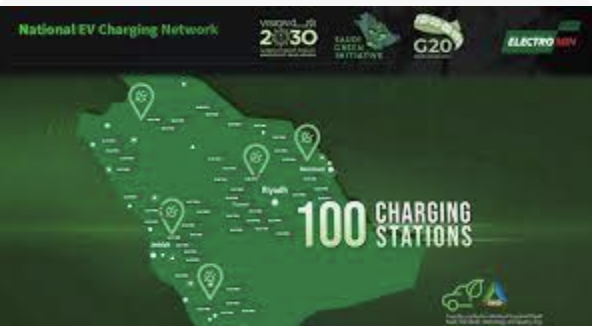
Other initiatives by Saudi Arabia could help promote electric vehicles. Saudi Electricity Co., for example, has signed agreements with Nissan Motor Co., Takaoka Tokyo and Tepco to launch the first electric vehicle pilot project in Saudi Arabia. The agreement reportedly provides for the development of fast-charging electric vehicle stations. It remains to be seen how the project will contribute to the overall deployment of electric vehicles.
Recently, Saudi Arabia signed a Memorandum of Understanding (“MoU”) with the United Kingdom to reduce carbon emissions and support Saudi Vison 2030. The MoU commits the two countries to cooperate and share expertise to develop technologies including smart grids and electric vehicles.
4. Who are the key entities (e.g. developers, government, system operators) and what role do they play in EVS deployment in your jurisdiction?
SASO plays an important role in the deployment of electric vehicles in Saudi Arabia. In addition to setting requirements under SASO regulations, SASO also has broad powers to regulate electric vehicles in the Kingdom. Its powers primarily include ensuring compliance with SASO regulations, monitoring compliance throughout the life cycle of electric vehicles, and granting certificates of conformity required for the deployment of electric vehicles in Saudi Arabia.
Other entities that may contribute to the deployment of electric vehicles in Saudi Arabia at the policy, commercial, financial and infrastructure levels include:
Saudi Energy Efficiency Center
Saudi Electricity Company
Ministry of Trade and Investment
Saudi Customs
5. What are the key challenges to further deployment of electric vehicles in your jurisdiction? How have EV developers managed to overcome these challenges so far?
While Saudi Arabia has begun taking some steps to deploy electric vehicles, it remains to be seen how the challenges inherent in EV deployment will be mitigated.
One of the main challenges is low oil prices in Saudi Arabia. Although fuel prices have been rising recently, Saudi Arabia continues to subsidize generally low fuel prices. Given low oil prices, it is necessary to implement incentives for the deployment of electric vehicles in Saudi Arabia to make electric vehicles competitive with conventional fuel vehicles.
The lack of infrastructure required for electric vehicles is an additional challenge for their deployment.
————END————